As we dive deeper into 2023, it’s pretty clear that the world of corporate venture capital (CVC) is going through some major shifts—stuff that's really reshaping how the digital economy works. According to the Global Corporate Venturing and Private Equity Association, total investments by CVCs hit a jaw-dropping $100 billion in 2022, which is about 30% more than the year before. That kind of jump shows how more and more companies now see CVC as a key part of their game plan for innovation and staying ahead in today’s unpredictable market.
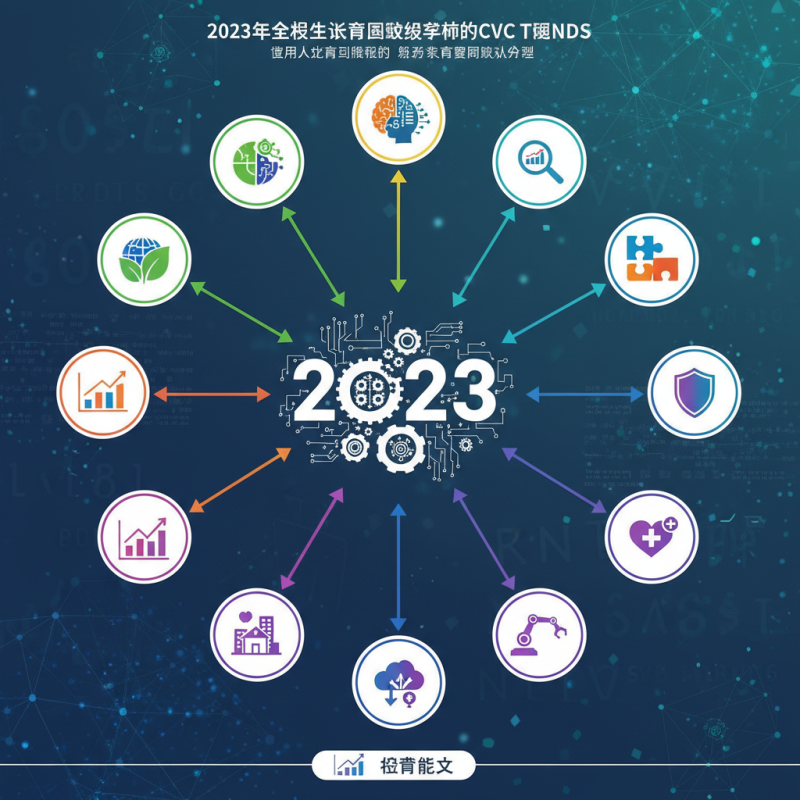
This year, we're seeing around ten main trends that are kinda steering the CVC scene, with a big focus on sustainability and tech-heavy investments. For example, McKinsey predicts green tech investments could top $12 trillion by 2030—that’s a huge number! As more companies shift their strategies towards environmental and social responsibility, you can bet their CVC choices will follow suit, favoring startups that champion ESG principles.
Plus, the way CVCs spot and assess new opportunities is changing big time thanks to smarter data analytics and AI. A CB Insights report pointed out that firms using AI for their investment decisions saw a 43% jump in deals closed successfully in 2022. All these trends tell us that understanding how CVC is evolving is going to be super important for businesses trying to navigate and make the most of the digital landscape this year. It’s definitely an exciting time to keep an eye on what’s coming next!
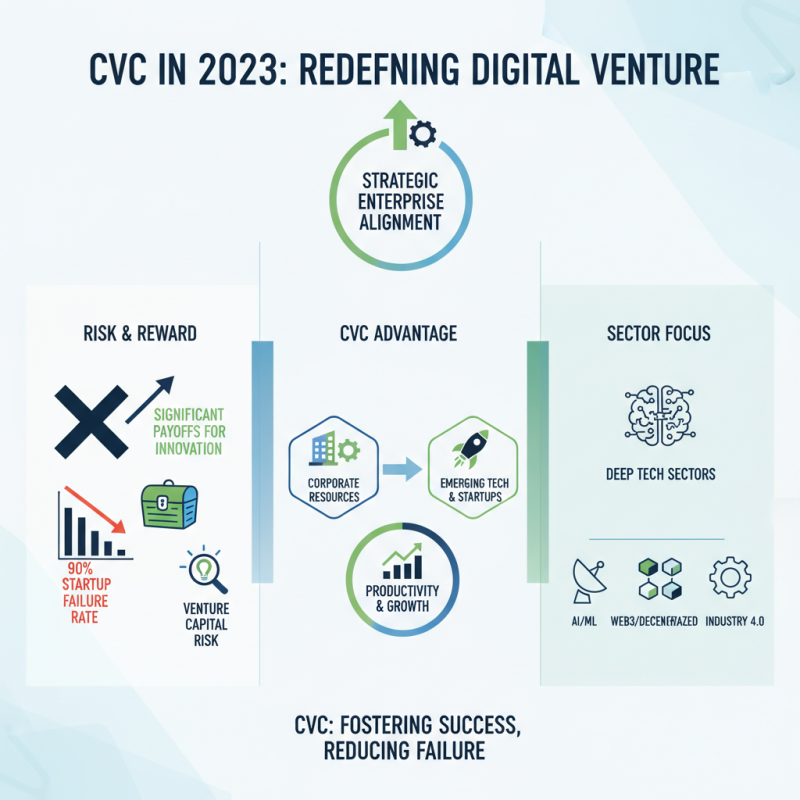
In 2023, Corporate Venture Capital (CVC) continues to redefine its role in the digital landscape, aligning itself with strategic enterprise goals. Key statistics reveal that while venture capital typically carries substantial risk, its potential payoffs remain significant for established firms seeking innovation. By leveraging their resources, corporations can tap into emerging technologies and startups that drive productivity and growth, particularly in deep tech sectors. This symbiotic relationship fosters an environment where startup ecosystems thrive, potentially lowering the staggering 90% failure rate observed in the industry.
As the focus shifts towards more sustainable investments, sectors like agtech are in dire need of new capital models. Traditional venture funding may not suffice to address global challenges such as food security and climate change. Investors looking to make a meaningful impact must adapt to these new paradigms, ensuring that the capital deployed aligns with the demands of a rapidly evolving marketplace. Additionally, the spotlight on private markets, particularly in regions like the Middle East, indicates a growing appetite for innovative financial solutions that transcend conventional frameworks and seek to maximize the value of investments through resilience and adaptability.
In 2023, the venture capital landscape is witnessing transformative trends, particularly in the realm of Corporate Venture Capital (CVC) investments. As industries align with technological advancements, emerging sectors such as telehealth, AI-driven diagnostics, and digital therapeutics are becoming prime targets for CVC funding. Companies like Tianck Medical CO., Ltd. are at the forefront of this evolution, developing precision-engineered medical products that cater to the dynamic requirements of healthcare professionals and patients alike.
Investors are increasingly drawn to these innovative sectors, recognizing the potential for significant returns and impactful contributions to healthcare. As you navigate the investment landscape, remember to focus on adaptability and the unique needs of the market.
Tip: When considering CVC opportunities, prioritize partnerships that enhance your product offerings and align with your mission to improve patient outcomes.
Collaboration between established firms and startups can lead to the creation of groundbreaking solutions that address contemporary medical challenges. Engaging with emerging technologies fosters a culture of innovation, setting the stage for a future where patient care is both advanced and accessible.
Tip: Keep an eye on industry trends and invest in startups that show promise in solving existing healthcare problems, as they will help ensure a competitive edge in the market.
In 2023, the venture capital landscape is increasingly being influenced by sustainability, reflecting a broader societal shift towards environmentally-conscious practices. Corporate venture capital (CVC) strategies are now heavily integrating sustainable development goals (SDGs) as a core component of their investment frameworks. This transition is not just a trend; it is reshaping how CVCs evaluate potential partnerships and startups. Investors are prioritizing companies that demonstrate a commitment to sustainability, from clean energy innovations to waste reduction technologies, thereby aligning financial returns with positive environmental impact.
The rise of sustainability in CVC strategies is also fostering collaboration between traditional corporate giants and emerging eco-friendly startups. This synergy can drive technological advancements and accelerate the adoption of sustainable practices across industries. Corporations recognize that integrating sustainability into their core business models can enhance brand loyalty and open new market opportunities. This alignment of interests is crucial, as it allows CVCs to support initiatives that are not only profitable but also contribute meaningfully to the planet's future.
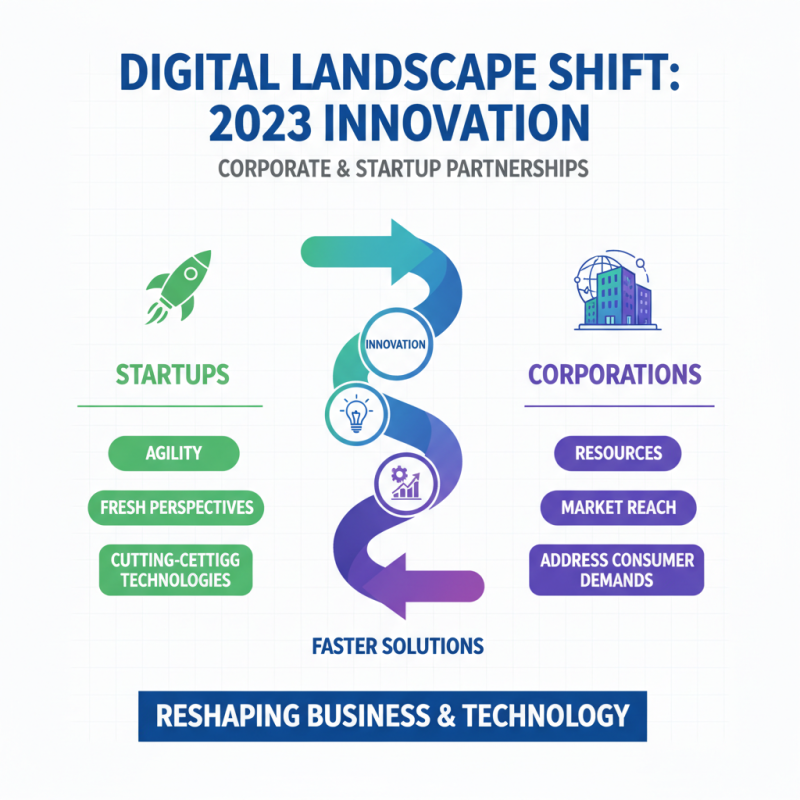
In 2023, the digital landscape is experiencing a paradigm shift driven by innovative partnership models between corporates and startups. This collaboration is reshaping how businesses approach innovation, combining the agility and fresh perspectives of startups with the resources and market reach of established corporations. By fostering these relationships, companies can access cutting-edge technologies and creative solutions that address rapidly evolving consumer demands.
One of the most prominent trends in this arena is the rise of corporate venture capital (CVC) initiatives that prioritize strategic alignment over sheer financial gains. Corporates are increasingly investing in startups not just for potential returns but to integrate new technologies into their existing operations. This collaborative approach allows startups to gain access to mentorship, distribution networks, and both financial and operational support, significantly increasing their chances of success. As such partnerships flourish, they create a symbiotic ecosystem where innovation thrives, fundamentally altering how companies leverage external capabilities for growth and market adaptability.
In 2023, corporate venture capital (CVC) dynamics are increasingly influenced by the ongoing digital transformation, driving significant shifts in investment strategies and collaboration models. The recent pivot of a major CVC firm toward relaunching an insurance company as an e-commerce entity exemplifies how established players are rethinking their business models. This transformation requires not only technological advancements but also a profound cultural shift within organizations, emphasizing the need for leadership to immerse in the evolving landscape of digital disruptors.
Moreover, as companies navigate the complexities of digital integration, effective partnerships between large corporations and nimble startups are becoming essential. Recent experiences show that these collaborations often face challenges beyond initial enthusiasm, highlighting the importance of sustained engagement and mutual understanding to foster long-term success. Additionally, developments in areas such as payment security, with the adoption of dynamic verification methods by major banks, reflect a growing recognition of the need for innovation in combating emerging threats. This environment underscores how digital transformation is reshaping not just operational capabilities but the very foundations of corporate investment strategies.
The landscape of Corporate Venture Capital (CVC) is undergoing significant transformation in 2023, particularly as regulatory bodies around the world adapt to the evolving dynamics of venture funding. Enhanced scrutiny over investment activities means that corporations must align their CVC strategies with compliance requirements that address potential conflicts of interest and promote transparency. New regulations are designed to prevent anti-competitive practices, urging CVCs to ensure their investments do not stifle innovation within their industry or create unfair market advantages.
As these regulatory changes take hold, companies are increasingly focusing on governance structures within their CVC operations. This shift mandates a more strategic approach to investment decisions, where due diligence is paramount. Corporations are now considering the long-term implications of their investments, not only in terms of financial returns but also regarding societal impact and corporate responsibility. This regulatory environment is driving CVCs to innovate in their approaches, as they seek to balance compliance while still pursuing disruptive technologies and market access through strategic partnerships.
| Trend | Impact on CVC Activities | Key Regulatory Changes | Projected Growth |
|---|---|---|---|
| Increased Investment in Tech Startups | Greater focus on digital transformation | New compliance regulations for funding | 15% increase |
| Focus on Sustainability | Growth of green tech investments | Stricter environmental reporting standards | 20% increase |
| Diversity in Investment Portfolios | Broader industry reach and innovation | New regulations on equitable funding | 10% increase |
| Healthcare Technology Investments | Shift to digital health solutions | Health data regulations tightening | 25% increase |
| AI and Automation | Enhanced operational efficiencies | AI regulations and ethical guidelines | 18% increase |
| Cybersecurity Investments | Increased importance of data protection | New data protection laws | 30% increase |
| Remote Work Solutions | Innovation in flexible work technologies | Regulations on remote work policies | 22% increase |
| Blockchain Technology | New applications across industries | Clarity on cryptocurrency regulations | 17% increase |
| Consumer Behavior Analytics | Enhancements in personalized marketing | Data privacy regulations tightening | 12% increase |
| Collaborative Platforms | Growth in shared workspaces | Regulations on safety and liability | 15% increase |
As we look beyond 2023, the landscape of corporate venture capital (CVC) is poised for significant evolution, driven by new efficiencies and burgeoning market opportunities. In a climate marked by an increasing number of entrants into the CVC space, strategic minority investments are becoming a focal point for firms aiming to bolster their innovation pipelines. The emphasis on collaboration with startups not only fosters innovation but also allows corporations to navigate market volatility more effectively, ensuring they remain agile in an ever-changing digital landscape.
The trends emerging from the steel industry further exemplify the potential direction of CVC in the coming years. Key themes such as decarbonization initiatives and the shift toward renewable energy underscore the urgency for investments that align with sustainability goals. As the global market demands more environmentally conscious practices, CVC investors are likely to prioritize funding for ventures that prioritize sustainability and technological advancement. This alignment of corporate strategies with broader societal trends will reshape not only investment portfolios but also contribute to a greener future for industries worldwide.
: Corporate Venture Capital (CVC) refers to investments made by established companies in startups and innovations, particularly in the digital landscape of 2023. It aims to align with strategic enterprise goals and supports emerging technologies, fostering both corporate growth and the startup ecosystem.
While venture capital typically involves substantial risk, the potential rewards are significant for established firms seeking innovation. By investing in startups, corporations can drive productivity and growth, especially in deep tech sectors, which helps mitigate the high failure rate in the industry.
Traditional venture funding may not adequately address global challenges such as food security and climate change. As a result, there is a growing need for innovative capital models that align with sustainable investments and respond to rapidly changing market demands.
Digital transformation is driving shifts in investment strategies and collaboration models within corporate venture capital. Companies are rethinking business models and emphasizing the need for technological advancements and cultural changes to adapt to the evolving landscape.
Collaborations between large corporations and nimble startups often encounter challenges beyond initial enthusiasm. Sustained engagement and mutual understanding are crucial for fostering long-term success in these partnerships.
In 2023, traditional businesses are increasingly adapting to digital disruptors by transforming their business models, as seen in the example of a major CVC firm relaunching an insurance company as an e-commerce entity.
There is a growing appetite for innovative financial solutions in private markets, especially in regions like the Middle East. This trend indicates a shift towards maximizing investment value through resilience and adaptability, transcending conventional frameworks.
The adoption of advanced techniques, such as dynamic verification methods by major banks, highlights the importance of innovation in addressing emerging threats, particularly in areas like payment security.
A profound cultural shift within organizations is essential for successfully navigating digital transformation. Leadership engagement in the evolving landscape of disruptors is crucial for adapting investment strategies and achieving long-term success.
The startup industry has a staggering failure rate of approximately 90%, which highlights the significant challenges for new ventures and the role that CVC can play in fostering successful ecosystems.
In 2023, Corporate Venture Capital (CVC) is undergoing significant transformation, shaped by various key trends that are redefining the digital landscape. One major trend is the growing emphasis on sustainability within CVC strategies, as more corporations seek to align their investments with environmentally responsible initiatives. Emerging sectors, such as telehealth and digital therapeutics, are attracting considerable CVC investments, reflecting a shift towards innovative healthcare solutions that improve patient outcomes.
Moreover, the rise of innovative partnership models between corporates and startups demonstrates the evolving dynamics of collaboration in the venture capital space. As digital transformation accelerates, regulatory changes are influencing CVC activities, requiring companies to adapt swiftly. Looking forward, the outlook for CVC beyond 2023 suggests continued growth and adaptation, driven by advancements in technology and an increased focus on strategic, impactful investments. At Tianck Medical Co., Ltd., our commitment to enhancing patient care aligns perfectly with these CVC trends, as we explore new opportunities for collaboration and innovation in healthcare.